
Mr. Ramage joined IRI’s London office in March 2002 and was appointed Managing Director in January 2003. He was instrumental in the establishment of offices in Hamburg (2007), Roosendaal (2008), Mumbai (2008), and Dubai (2009) where he continues to have a management role. In 2009 Mr. Ramage accepted the title of Director, Worldwide Business Operations whereby he was responsible for IRI’s global network of offices. A resident of the
United Kingdom, Mr. Ramage was appointed Chief Operating Officer (COO) of IRI in April of 2011 and continues to be responsible for operations of all worldwide offices, including IRI’s headquarters in Washington, DC/Reston. Mr. Ramage has an extensive background at sea having sailed with BP Tankers, Mobil Shipping, and Maersk Line. He spent 14 years in the ship management industry, predominantly in Hong Kong with Denholm Ship Management and Eurasia Ship Management where he rose to Vice President, managing a fleet of 50 vessels. Mr. Ramage holds a Master Mariners Certificate and a Master of Business Administration from the University of Edinburgh as well as a Bachelor of Science Honours in Nautical Studies from Liverpool Polytechnic.
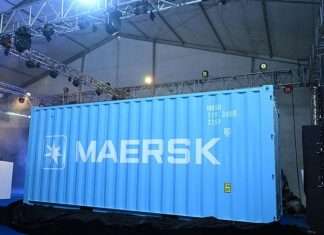
Maersk unveils its first India...
Maersk unveils its fi...
Maersk unveils first India-manufactured shipping container
Maersk has become what is claimed to be ...
Maersk unveils first India-manufa...
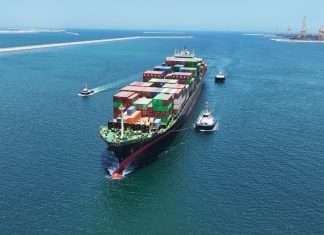
AD Ports Group boosts stake in...
AD Ports Group boosts...
AD Ports Group increases stake in Global Feeder Shipping
Reflecting ongoing commitment to a strateg...
AD Ports Group increases stake in...
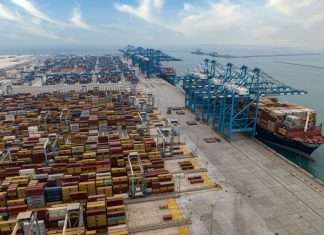
AD Ports Group strengthens con...
AD Ports Group streng...
AD Ports Group launches direct Umm Qasr shipping service
Abu Dhabi’s AD Ports Group has launched a ...
AD Ports Group launches direct Um...
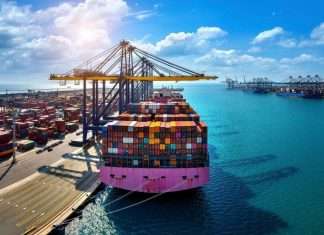
PCFC coordinates environmental...
PCFC coordinates envi...
PCFC promotes marine environmental awareness in Dubai ports
The Dubai Ports Authority (DPA), as par...
PCFC promotes marine environmenta...

DP World launches e-invoicing ...
DP World launches e-i...
DP World launches UAE e-invoicing solution
DP World has launched an e-invoicing solution after bein...
DP World launches UAE e-invoicing...
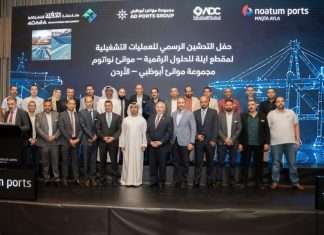
Steady progress for Aqaba port...
Steady progress for A...
Aqaba advances digital transformation and trade growth
Aqaba’s port community recorded solid operat...
Aqaba advances digital transforma...
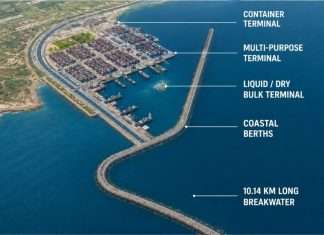
Vadhvan Port passes key milest...
Vadhvan Port passes k...
Vadhvan Port project gathers construction momentum
The Vadhvan Port Project, which is set to become...
Vadhvan Port project gathers cons...
JNPA retains position as India...
JNPA retains position...
JNPA retains India’s top port ranking
Jawaharlal Nehru Port Authority (JNPA), India’s largest conta...
JNPA retains India’s top port r...
DP World Cochin terminal achie...
DP World Cochin termi...
DP World Cochin achieves record monthly container throughput
DP World Cochin’s International Contai...
DP World Cochin achieves record m...

VOC Port demonstrates green ma...
VOC Port demonstrates...
VOC Port advances India’s green maritime transition
Union Minister of Ports, Shipping and Waterways...
VOC Port advances India’s green...
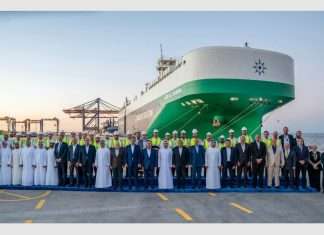
Trial operations start at Safa...
Trial operations star...
Trial operations begin at Noatum Ports Safaga Terminal
AD Ports Group has commenced trial operation...
Trial operations begin at Noatum ...
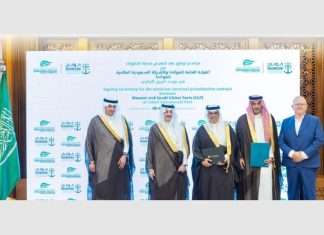
Mawani and Saudi Global Ports ...
Mawani and Saudi Glob...
Mawani and SGP formalise Jubail terminal concession
The Saudi Ports Authority (Mawani) has finalise...
Mawani and SGP formalise Jubail t...
Frequently Asked Questions
Maritime terminals are designated facilities at ports where cargo is loaded, unloaded, stored and transferred between ships and land-based transport. They handle containers, bulk goods, vehicles and other freight. Terminals are crucial to global shipping because they serve as the hubs that connect sea routes with rail and road networks, ensuring efficient movement of goods across supply chains.
Container terminals specialise in handling standardized shipping containers using cranes, automated systems and specialised yards. Bulk cargo terminals, on the other hand, manage loose goods such as coal, grain, ores and liquids (like oil or chemicals) using conveyors, pumps and specialised storage. Each type of terminal is designed to optimise the flow, safety and storage of specific cargo types.
Port terminal efficiency directly affects how quickly cargo is processed, which in turn influences delivery schedules, logistics costs and overall supply-chain reliability. Efficient terminals minimise vessel turnaround time, reduce congestion, improve freight rates, and support better planning for importers, exporters and freight operators.
Modern maritime terminals are increasingly using digital technologies such as automation, IoT sensors, AI-powered scheduling systems, real-time tracking, automated gates and smart cargo handling equipment. These innovations help terminals reduce bottlenecks, improve safety, speed up cargo movement and increase throughput capacity.
You can find the latest news and updates on terminal developments, port performance and operational insights on The Maritime Standard’s Terminals category page. It features verified industry reports, expert analysis, official announcements from port authorities, and insights into infrastructure projects shaping terminals worldwide.