
Mr. Ramage joined IRI’s London office in March 2002 and was appointed Managing Director in January 2003. He was instrumental in the establishment of offices in Hamburg (2007), Roosendaal (2008), Mumbai (2008), and Dubai (2009) where he continues to have a management role. In 2009 Mr. Ramage accepted the title of Director, Worldwide Business Operations whereby he was responsible for IRI’s global network of offices. A resident of the
United Kingdom, Mr. Ramage was appointed Chief Operating Officer (COO) of IRI in April of 2011 and continues to be responsible for operations of all worldwide offices, including IRI’s headquarters in Washington, DC/Reston. Mr. Ramage has an extensive background at sea having sailed with BP Tankers, Mobil Shipping, and Maersk Line. He spent 14 years in the ship management industry, predominantly in Hong Kong with Denholm Ship Management and Eurasia Ship Management where he rose to Vice President, managing a fleet of 50 vessels. Mr. Ramage holds a Master Mariners Certificate and a Master of Business Administration from the University of Edinburgh as well as a Bachelor of Science Honours in Nautical Studies from Liverpool Polytechnic.

AD Ports aims for better gende...
AD Ports aims for bet...
AD Ports Group has signed a new partnership agreement with Aurora50, a social enterprise focusing on...
AD Ports Group has signed a new p...

DP World to target Africa with...
DP World to target Af...
DP World has announced the creation of a new investment platform in partnership with the UK developm...
DP World has announced the creati...
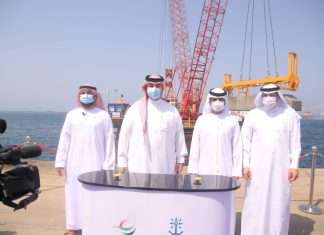
Jeddah container terminal expa...
Jeddah container term...
On October 7th, the Saudi Ports Authority (Mawani) and DP World Jeddah laid the foundation stone for...
On October 7th, the Saudi Ports A...
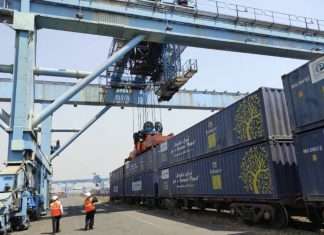
JNPT records 40% growth in con...
JNPT records 40% grow...
Jawaharlal Nehru Port Trust (JNPT), one of India’s leading container ports, handled 2.7 million TEU ...
Jawaharlal Nehru Port Trust (JNPT...

ICTSI Pakistan hits milestone
ICTSI Pakistan hits m...
Pakistan International Container Terminal (PICT), Manila-based International Container Terminal Serv...
Pakistan International Container ...
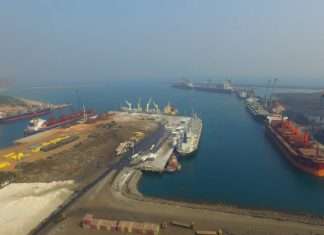
Gangavaram port stake acquired...
Gangavaram port stake...
Adani Ports and Special Economic Zone (APSEZ) has completed the acquisition of the Government of And...
Adani Ports and Special Economic ...

CMA CGM to invest in Abu Dhabi...
CMA CGM to invest in ...
In a landmark development, France’s CMA CGM Group is to invest in a new terminal at Khalifa Port und...
In a landmark development, France...
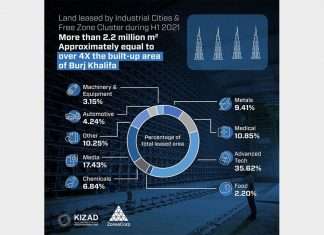
Industrial sector supports gro...
Industrial sector sup...
AD Ports Group has announced that more than 2.2 million square metres of its Industrial Cities &...
AD Ports Group has announced that...
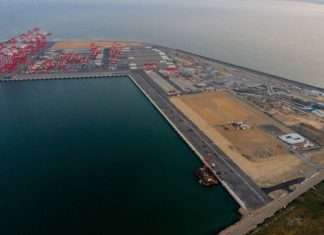
New Haifa Bay terminal opens
New Haifa Bay termina...
Haifa Bay, a new automated container port capable of handling containerships up to 18,000 teu, is op...
Haifa Bay, a new automated contai...

JNPT upturn continues
JNPT upturn continues...
Indian container gateway, Jawaharlal Nehru Port Trust (JNPT), witnessed a big upswing in cargo handl...
Indian container gateway, Jawahar...

New container scanner for Para...
New container scanner...
As part of efforts to boost its export import trade, Paradip Port Trust (PPT) has installed a new mo...
As part of efforts to boost its e...
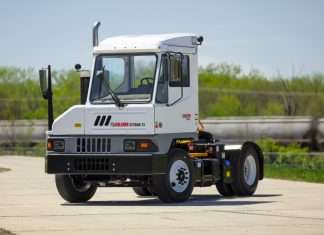
DP World orders tractor units ...
DP World orders tract...
DP World has placed a major order with Kalmar to supply 81 Kalmar Ottawa T2 terminal tractors for it...
DP World has placed a major order...
Frequently Asked Questions
Maritime terminals are designated facilities at ports where cargo is loaded, unloaded, stored and transferred between ships and land-based transport. They handle containers, bulk goods, vehicles and other freight. Terminals are crucial to global shipping because they serve as the hubs that connect sea routes with rail and road networks, ensuring efficient movement of goods across supply chains.
Container terminals specialise in handling standardized shipping containers using cranes, automated systems and specialised yards. Bulk cargo terminals, on the other hand, manage loose goods such as coal, grain, ores and liquids (like oil or chemicals) using conveyors, pumps and specialised storage. Each type of terminal is designed to optimise the flow, safety and storage of specific cargo types.
Port terminal efficiency directly affects how quickly cargo is processed, which in turn influences delivery schedules, logistics costs and overall supply-chain reliability. Efficient terminals minimise vessel turnaround time, reduce congestion, improve freight rates, and support better planning for importers, exporters and freight operators.
Modern maritime terminals are increasingly using digital technologies such as automation, IoT sensors, AI-powered scheduling systems, real-time tracking, automated gates and smart cargo handling equipment. These innovations help terminals reduce bottlenecks, improve safety, speed up cargo movement and increase throughput capacity.
You can find the latest news and updates on terminal developments, port performance and operational insights on The Maritime Standard’s Terminals category page. It features verified industry reports, expert analysis, official announcements from port authorities, and insights into infrastructure projects shaping terminals worldwide.