Print
Print
 PDF
PDF
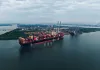
Sohar Port and Freezone has recently announced a very positive set of results for 2018, while signalling a strong start to 2019. Last year an average of 1.2 million tonnes of cargo was handled by the port every week, with new records being set in terms of both vessel calls and cargo throughput. Dry bulk traffic rose to 33.42 million tonnes up from 29. 2 million tonnes the year before, a rise of 14.45%, while liquid bulk traffic increased by 13.6% compared to 2017 with 18.2 million tonnes being handled at Sohar. Overall the port received 3,443 vessel calls in 2018, representing another double-digit rate of growth, this time of more than 12 per cent.
Container traffic flows stabilised over the year. The 825,679 teu throughput in 2018 was slightly down on 2017, when the port handled 838,712 teu. Given market challenges and set against the difficulties faced by some other ports in the region, this is considered a very good performance by Sohar, strengthening its position as one of the region’s leading container handling gateways.
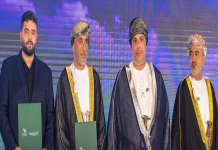
Signalling a positive start to 2019, Sohar Port has entered into two partnership agreements, with Mannesmann and Oman Maritime Waste Treatment. The collaboration with Mannesmann will see the creation of Calcined Petroleum Coke (CPC) and Recarburiser Calcined Coke (RPC) plants on 30ha of land at the port, while it will work with Oman Maritime Water Treatment to construct a MARPOL compliant waste collection and disposal facility at the port.
Sohar Port has also confirmed arrangements to replace its existing tug fleet. The five existing vessels that provide towage services for all vessels entering and exiting the port will be replaced with more powerful and efficient vessels. The contract signed with will be for 15 years, and the delivery of the first tugboats is expected in August 2020.