Print
Print
 PDF
PDF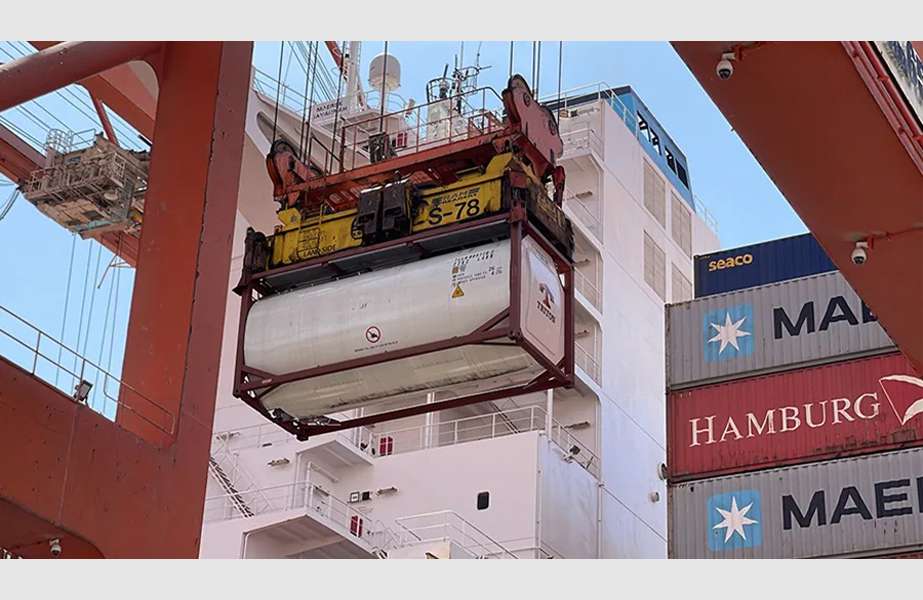
The Port of Salalah, Oman, is piloting an innovative solution to tackle freshwater scarcity together with its major client, Maersk. Existing freshwater generator systems aboard cargo ships produce potable water by distilling sea water using waste heat energy harnessed from their engines. This water is now being stored and excess water is being delivered to the port during berthing.
Traditionally, this system has been used to generate water only for onboard consumption, but this untapped resource has been capitalised on by optimising the process and storing excess water in tank containers before delivering to port. Two tank containers with a combined capacity of 50,000 litres can be filled with fresh water during an average sea voyage between two ports, the Port of Salalah says.
A Life Cycle Assessment (LCA) study conducted by the Danish Technical University has provided valuable insights into the project’s environmental impact, comparing it favourably against traditional tanker truck water delivery methods.
Pointing out that sustainability is one of the top priorities at Salalah port, CEO, Keld Christensen, said that, “We recognise that sustainability is not only about decarbonising supply chains but also protecting our environment and its finite resources. With thousands of vessel calls each year at the Port of Salalah, this pilot opens the door for many more vessels to replicate this system and create an incredibly large supply of fresh water.”