Print
Print
 PDF
PDF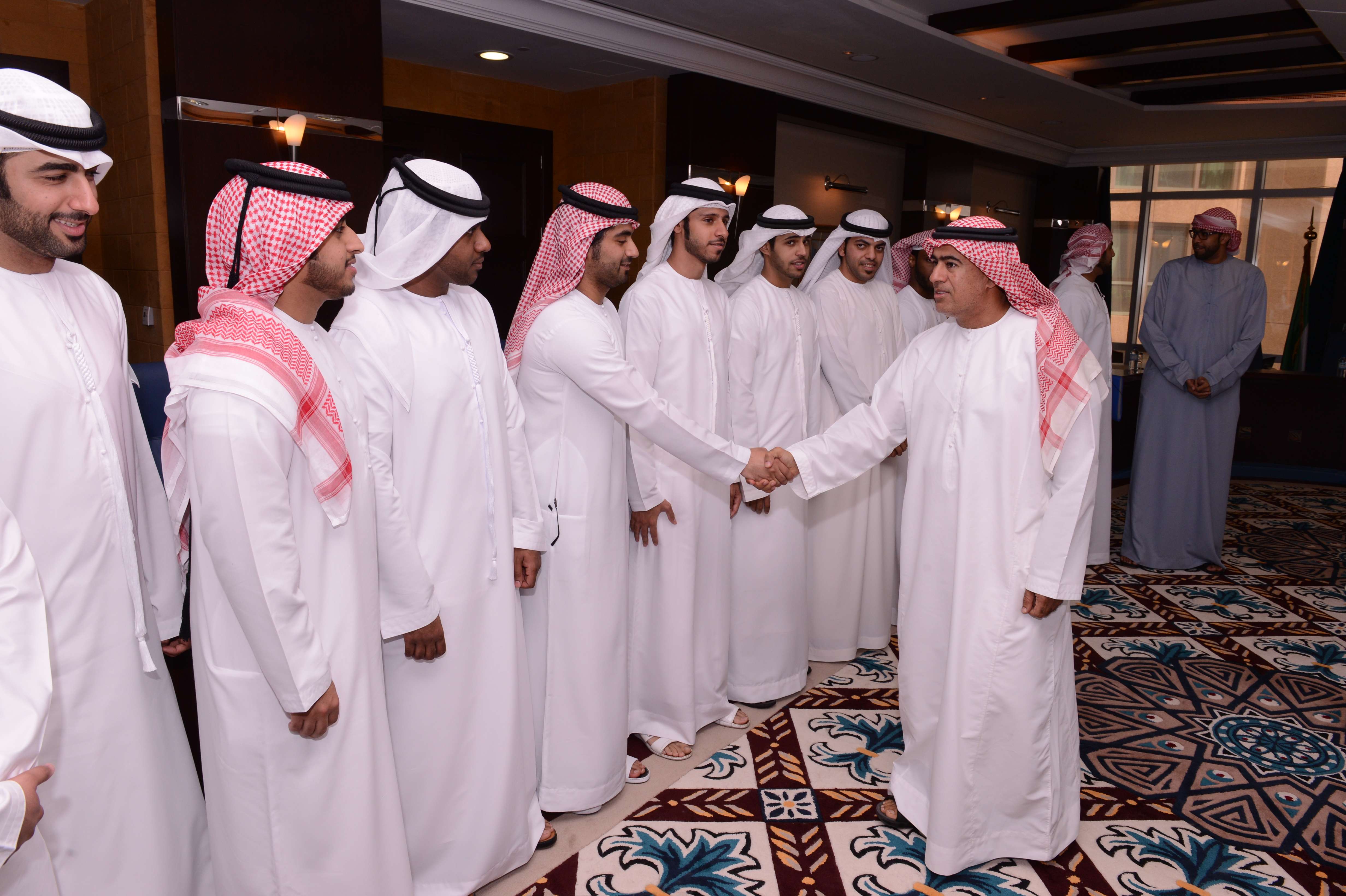
Abu Dhabi-based ADNATCO & NGSCO, the shipping arm of ADNOC and the ADNOC group of companies, has reaffirmed its commitment to developing and retaining ‘home grown’ talent within the organisation. Through a proactive recruitment and training strategy the company has already successfully raised the number of UAE nationals to 63% of its workforce, with an impressive 95% retention rate, but aims to go higher still.
“We are getting closer to reaching ADNOC’s target of 75% localisation by 2017,” says Dr. Ali Obaid Al-Yabhouni, Chief Executive Officer. “We are striving hard to be an employer of choice, through staff development programs aimed at attracting UAE nationals and giving them rewarding careers.”
Every year ADNATCO & NGSCO recruits around 50 cadets through its Cadetship Programme, one of the most successful schemes of its type in the Middle East, which is aimed at producing a new, highly-qualified generation of local seafarers.
“We have already produced hundreds of UAE seamen as well as a number of captains and chief engineers who today hold high positions, not only in our company, but in many others across the industry,” says Dr Al-Yabhouni. “We have also introduced a new development strategy for UAE national employees, which includes a number of integrated programs designed specifically to help transform the company into an innovative, self-learning organisation.”
Key components of this strategy include the Tamkeen Program, which focuses on giving career skills to new graduate employees, and the Leadership Excellence Programme, which targets middle management and operational level staff. “We also run various other training and development courses aimed at improving the core competencies of our UAE workforce,” adds Dr. Al-Yabhouni.
Providing a safe and secure working environment for its employers is another top priority. “Our HSE onshore training record is one of the best in the shipping industry,” claims Dr. Al-Yabhouni.
Protecting the environment and reducing the environmental footprint of its operations is also one of the company’s main concerns. As Dr. Al-Yabhouni points out, “We spend a lot of energy and resources to run an environmentally-friendly business. For example all our new vessels have ‘green passports’ and can burn low sulphur fuel. We have recently launched our Al Daffah project, which aims to enhance ship energy efficiency management, and we expect this will eventually achieve a 21% reduction in fuel consumption, which is equivalent to 450,000 tons of CO2 a year.”
The shipping market in 2014 will continue to be under pressure due to tonnage oversupply, although ADNATCO & NGSCO says it expects to see growth in overall sea trade demand during the year, with a particular upturn in the second half. “Regardless of the market challenges, we will continue to invest in maintaining high standards of safety, operational efficiency and environment protection,” states Dr. Al-Yabhouni. “We always work for the long haul and ensure that we operate a healthy fleet that meets the satisfaction of our customers at all times.”
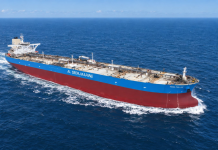
ADNATCO & NGSCO has made significant investments in its fleet over the past few years, taking delivery of 15 new vessels of various types in 2011-12. In February this year the compcany also received a newbuild 9000m3 liquid gas carrier, Yas, built by STX in South Korea. This vessel, the first of its type operated by ADNATCO & NGSCO, is being used to transport ethylene from the UAE to markets worldwide, including the Far East and Europe.
While the company has no further orders in the pipeline, it is starting to plan the next phase of its fleet expansion, with decisions being primarily driven by the growth strategy of its parent, as well as new building prices and market opportunities. Dr Al-Yabhouni confirms, “Our plans for fleet expansion are closely linked to the ADNOC group’s transportation requirements for its growing capacity in terms of the production of oil, gas, refined products and petrochemicals. We are as a result looking at a wide range of shipping options that could include VLCCs, LPG carriers and product tankers.”
By Clive Woodbridge