
Mr. Ramage joined IRI’s London office in March 2002 and was appointed Managing Director in January 2003. He was instrumental in the establishment of offices in Hamburg (2007), Roosendaal (2008), Mumbai (2008), and Dubai (2009) where he continues to have a management role. In 2009 Mr. Ramage accepted the title of Director, Worldwide Business Operations whereby he was responsible for IRI’s global network of offices. A resident of the
United Kingdom, Mr. Ramage was appointed Chief Operating Officer (COO) of IRI in April of 2011 and continues to be responsible for operations of all worldwide offices, including IRI’s headquarters in Washington, DC/Reston. Mr. Ramage has an extensive background at sea having sailed with BP Tankers, Mobil Shipping, and Maersk Line. He spent 14 years in the ship management industry, predominantly in Hong Kong with Denholm Ship Management and Eurasia Ship Management where he rose to Vice President, managing a fleet of 50 vessels. Mr. Ramage holds a Master Mariners Certificate and a Master of Business Administration from the University of Edinburgh as well as a Bachelor of Science Honours in Nautical Studies from Liverpool Polytechnic.

ADNOC L&S to charter out ...
ADNOC L&S to cha...
Abu Dhabi-based ADNOC Logistics & Services (ADNOC L&S) and Atlantic Gulf & Pacific Inter...
Abu Dhabi-based ADNOC Logistics &...

LNG powered cruise ship makes ...
LNG powered cruise sh...
After serving as a floating hotel during the 2022 FIFA World Cup, the MSC World Europa made its firs...
After serving as a floating hotel...

Adani buys stake in Indian Oil...
Adani buys stake in I...
Adani Ports and Special Economic Zones (APSEZ) has acquired a 49.38 per cent stake in Indian Oil...
Adani Ports and Special Econo...

K Line signs long term LNG ves...
K Line signs long ter...
Japanese shipping company K Line is entering into five long term charters for LNG carrier newbuildin...
Japanese shipping company K Line ...

Safeen signs fuel oil transpor...
Safeen signs fuel oil...
AD Ports Group’s Safeen division and Amaan Baghdad Company of Iraq have signed an agreement to suppo...
AD Ports Group’s Safeen divisio...

Bahri and GASCO to form LPG lo...
Bahri and GASCO to fo...
Bahri and National Gas and Industrialization Co. (GASCO), a leading provider of liquefied petroleum ...
Bahri and National Gas and Indust...

Profitability up at Nakilat
Profitability up at N...
Doha-based Nakilat, the world’s largest LNG fleet owner, achieved a net profit of QAR 730 million (U...
Doha-based Nakilat, the world’s...

ADNOC L&S to acquire more...
ADNOC L&S to acq...
ADNOC Logistics & Services (ADNOC L&S) is to purchase three additional LNG carriers, taking ...
ADNOC Logistics & Services (A...

Daewoo benefits from Qatar LNG...
Daewoo benefits from ...
Korean shipbuilder Daewoo Shipbuilding Marine (DSME) has signed a contract to build four LNG carrier...
Korean shipbuilder Daewoo Shipbui...
LPG carriers added to Al Seer ...
LPG carriers added to...
UAE-based Al Seer Marine has acquired two gas carrier vessels, valued at a combined AED 246 million,...
UAE-based Al Seer Marine has acqu...

VLGC financing package conclud...
VLGC financing packag...
Abu Dhabi-based Al Seer Marine, a subsidiary of International Holding Company (IHC), has completed a...
Abu Dhabi-based Al Seer Marine, a...
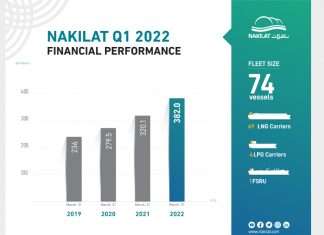
Profits surge for Qatari shipp...
Profits surge for Qat...
Nakilat, the world’s largest Liquefied Natural Gas (LNG) fleet operator, achieved a net profit of QR...
Nakilat, the world’s largest Li...
Frequently Asked Questions
“Clean fuel for ships” refers to marine fuels that produce lower emissions compared to traditional heavy fuel oil. These include LNG, low-sulphur marine fuels, methanol, biofuels and emerging alternatives like hydrogen and ammonia. In the oil and gas sector, clean fuel for ships supports compliance with environmental regulations while helping reduce the carbon footprint of maritime operations.
The shift toward clean fuel for ships is important because it helps reduce air pollution, greenhouse gas emissions and environmental impact from shipping. Stricter IMO regulations and growing sustainability goals are pushing shipowners and operators to adopt cleaner fuels, improving air quality near ports and supporting long-term environmental responsibility.
The oil and gas industry supports clean fuel for ships by investing in alternative fuel production, LNG bunkering infrastructure, biofuel development and research into hydrogen and ammonia. Energy companies are also working with ports and shipping lines to expand fuel supply networks and ensure reliable access to cleaner marine fuels worldwide.
Challenges in adopting clean fuel for ships include high infrastructure costs, limited fuel availability at some ports, vessel retrofit expenses, and uncertainty around future fuel standards. Despite these challenges, ongoing innovation and investment in the oil and gas sector are helping accelerate the transition to cleaner maritime fuels.
Reliable news about clean fuel for ships and maritime energy developments can be found on trusted maritime news platforms like The Maritime Standard, along with energy industry reports, port authority announcements and IMO updates. These sources provide insights into fuel technology trends, regulatory changes and investment activities shaping the future of clean shipping.