Print
Print
 PDF
PDF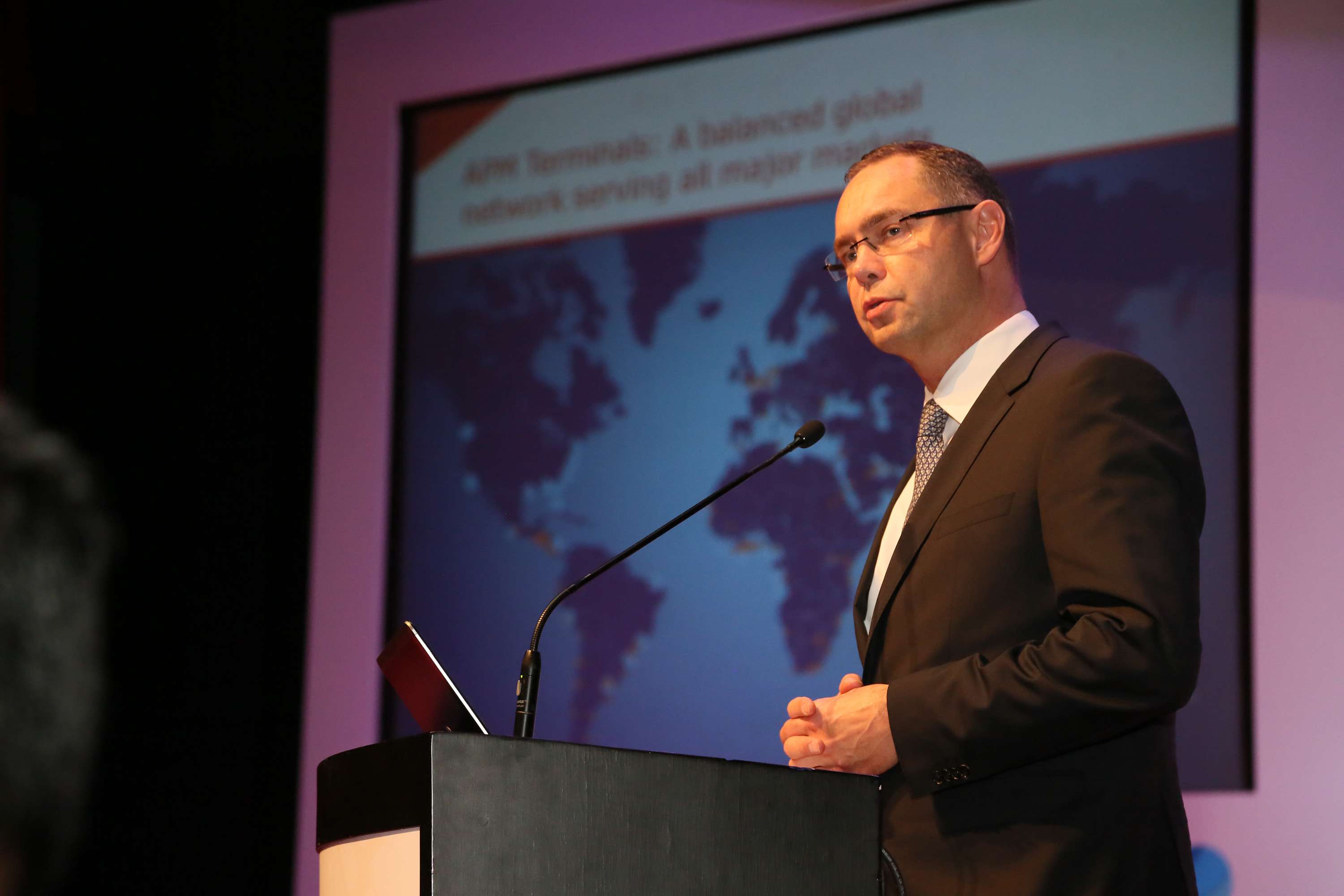
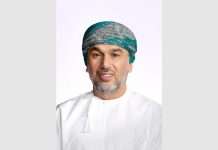
APM Terminals’ chief executive Kim Fejfer has praised plans for further infrastructure investment and the expansion of free trade zones as well as regulatory reforms in Oman in a keynote address to the second annual GCC Supply Chain & Logistics Conference in Muscat.
He said: “Oman has a good opportunity to improve its business environment in terms of ease of doing business, developing integrated transport chains that can even better link road, rail and air transport through a world-class port, capable of accepting the largest vessels in the world and to further develop world-class industrial parks and free zones near these maritime gateways. By simplifying the business regulatory environment Oman will attract even more entrepreneurs and capital that will reduce barriers to cross border trade”.
The Salalah Free Zone plans additional investments totalling US$15 billion by 2028, with chemicals and materials processing, manufacturing and assembly, and logistics and distribution the specific target market areas. A caustic soda facility and an LPG plant are scheduled to be operational by the end of Phase I of the expansion by 2018.
A 20-year Port Master Plan now in effect through 2030 calls for the development of a Salalah Hub which includes direct rail connections to commercial and population centres within the GCC, the construction of food processing, distribution and warehousing facilities, and new terminals for cruise ships and liquid bulk storage. An expansion of the port’s annual general cargo handling capacity to 20 million tons of dry bulk commodities and more than 6 million tons of liquid products is already underway.
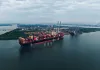
The Port of Salalah, which is managed and 30% owned by APM Terminals, handled 3 million teu in 2014, consolidating its position as one of the region’s leading hubs. The port also handled 10.3 million tons of general cargo for the year, representing an increase of 30% over 2013. Current plans to link the port to the GCC rail network will provide efficient transportation to inland locations while reducing truck traffic and diesel engine emissions, Mr. Fejfer noted.