Print
 PDF
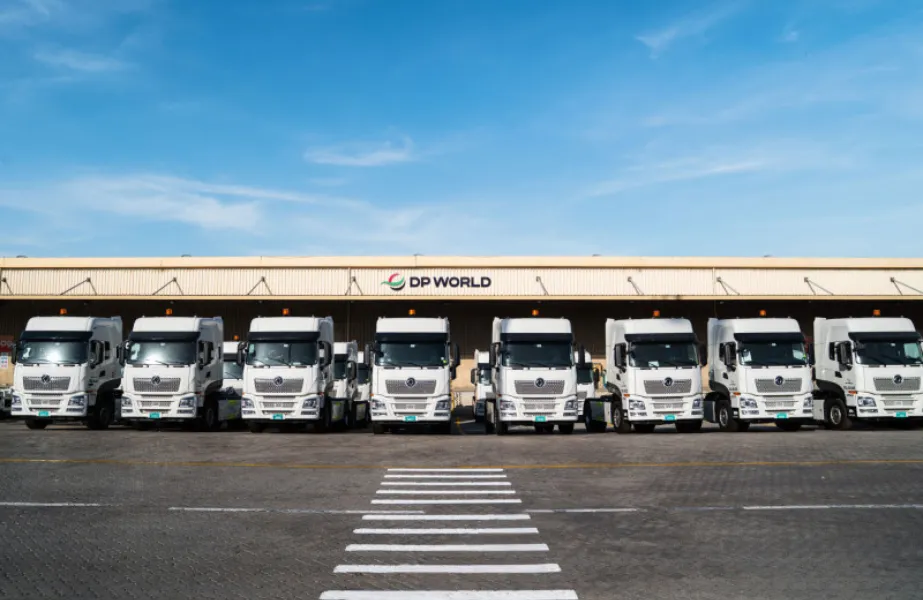
DP World accelerates UAE East Coast port investments to strengthen alternative trade routes
DP World has announced that it moved more than 1 million TEU of containers between East Coast ports and the port of Jebel Ali, as well as domestic markets, by road and rail between the first week of March and the end of October. The company has built up a fleet of around 3000 trucks to maintain the landbridge corridors and keep cargoes moving not just through UAE East Coast ports but through Sohar and Duqm in Oman, and Jeddah in Saudi Arabia, as well.
DP World has also indicated that it now plans to accelerate the development of two terminals near to Fujairah port, which could now be operational in as little as 18 months, compared with the minimum lead time of 24 months announced previously. DP World has a long-term concession to develop the Al Rugaylat container and multi-purpose terminal and the Dibba General Cargo terminal on the UAE’s east coast. Al Rugaylat is designed to handle up to 2.5 million TEU annually, alongside 1.7 million tonnes of general cargo and 190,000 Car Equivalent Units (CEUs), while Dibba will add up to 3.6 million tonnes of annual general cargo capacity, providing alternative options for cargo moving into the uAE.
Although Jebel Ali Port has remained open and operational since March, volumes have been impacted by the crisis and the closure of the Strait of Hormuz. DP World believes, however, that shipping lines are keen to restore direct calls to Jebel Ali as soon as possible and that services and volumes could recover within three months of the restoration of safe passage through the Strait.
Development of the two new East Coast terminals will, however, proceed irrespective of whether the Strait is fully opened to commercial traffic again in the near future, DP World has stated.
Other Stories

TMS Newsletter reaches 300th edition milestone

The Maritime Standard Awards 2026 Celebrates Maritime Excellence in a Landmark Dubai Ceremony

The Maritime Standard Tanker Conference 2026 concludes, addressing the industry’s evolving priorities

New vessels and higher freight rates mean Asyad Shipping results continue to impress