Print
Print
 PDF
PDF
The Port of Salalah achieved traffic increases at both its container and general cargo facilities in 2017, despite uncertain global economic circumstances, the chairman, Ahmed Bin Nasser Al Mahrizi, revealed, in the annual report submitted to the Muscat Securities Market in February.
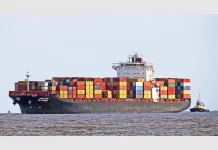
Last year the Omani port’s container terminal handled 3.946 million teu, 19 per cent more than in 2016, thanks to strong support from a key customer. The port also invested in new mooring systems which mitigated the variation in productivity experienced during the Khareef season, benefitting container operations.
The general cargo terminal handled 13.587 million tons during 2017, a growth of 4 per cent compared with the previous year. Al Mahrizi said, “The general cargo terminal continues to grow, albeit at a slower pace as compared to the previous years, driven by the growth of aggregates business.”
Salalah port’s financial turnover was up by 3.9 per cent, to RO57.03 (US$48.32) million, while the consolidated net profit was RO5.21 (US$13.55) million, compared to RO5.72 (US14.88) million during the previous year. This drop in profit is attributed mainly to changes in Oman’s tax laws and higher costs arising from withdrawal of fuel subsidy by the government. There was also an increase in maintenance costs due to ageing container handling equipment.
Looking to the future, Al Mahrizi said, “The container shipping industry has been through very turbulent times in the past three years, but it does appear that things are settling down and will be calmer in 2018. Overcapacity in ports in the GCC, Arabian Gulf and Indian Ocean continues to plague the region, however, and is resulting in downward pressure on rates. Working with our long term partners and securing business that cements them into Salalah continues to be our best option to mitigate against market conditions.”
The port is mainly a container transshipment facility but is optimistic about import and export prospects, with the growth of local cargo flows and new hinterland opportunities in Yemen. “Increasing gate volumes is a commercial imperative because it increases the overall attractiveness of the port of Salalah to our existing customers as well as prospective shipping lines,” adds Al Mahrizi.
The last few years have witnessed impressive growth at the general cargo terminal in the port, largely as a result of an upturn in aggregate exports, including limestone and gypsum. Al Mahrizi says, “The increased volumes mean we will have to look at improving productivity and potentially new methods of handling in order to cope with the steady increases of exports. The logistics supply chain is quickly becoming a bottleneck which is slowing our ability to grow volumes even faster.”