Print
Print
 PDF
PDF
Saudi Ports Authority (Mawani) has announced a number of significant initiatives in recent weeks. It has, for example, launched an integrated shipment scheduling system at King Abdul Aziz port in Dammam, as part of a package of electronic clearance services which it is rolling out with the aim of reducing cargo dwell time at Saudi ports. Clients can now electronically schedule a time of arrival at the port and choose a carrier.
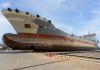
Mawani has also facilitated a cooperation agreement designed to boost ship repair activity at King Abdul Aziz port in Dammam. This will involve the creation of a joint venture between Al Blagha Industrial and International Maritime Industries (IMI) and will focus on attracting various vessel types and offshore rigs to the shipyard located inside the port complex for repair and maintenance work.
Mawani has additionally announced the first unified foreign investor permit to carry out maritime agency and ship chandlery business operations in Saudi ports. The ports authority believes this will open the door to significant new business opportunities for foreign companies looking to establish their own shipping agencies and serve ships in Saudi ports.
Mawani is responsible for a total of 9 ports, in Jeddah, Dammam, Jubail Commercial, Jubail Industrial, Yanbu Commercial, Yanbu Industrial, Jizan, Dhiba and Ras Al Khair. These offer a total of 232 berths at the present time.
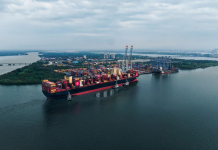
In the Saudi private port sector, King Abdullah Port on the Saudi Red Sea coast has maintained its position as one of the fastest growing container ports in the world. Last year the port handled 2.3 million teu, an increase of more than 36% compared to 2017. As such King Abdullah Port is now the Kingdom’s second most important container gateway, after Jeddah.
The port points out that its business has benefited particularly from a 44% jump in transshipment volumes, which reached 1.85 million teu last year, while import and export container traffic was 8% higher than in 2017. The number of vessels received by the port increased to 911, a 12% increase compared to the 820 vessels handled in 2017.