Print
Print
 PDF
PDF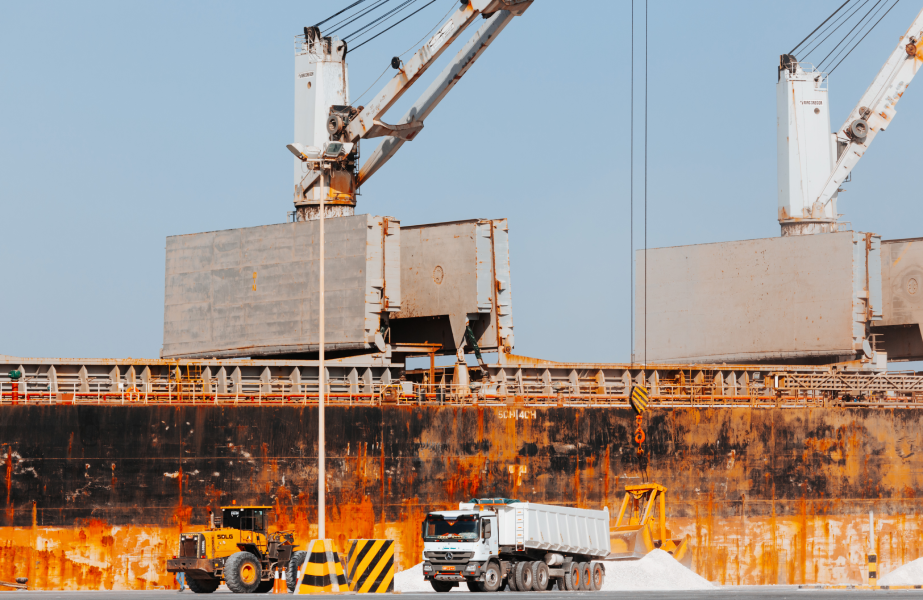
In its recently announced results for the nine months ending September 30th 2024, Salalah Port Services revealed a very mixed picture in terms of cargo handling operations. The Salalah container terminal handled 2.5 million TEU compared with 2.9 million TEU on the same period of last year, a decrease of 13%. The drop in volume in this case is mainly attributed to the ongoing security issues in the Red Sea.
By contrast the port’s general cargo terminal handled 16.95 million tonnes over these 9 months, up from 15.82 million tonnes in the same. Months of the previous year, a rise of 7%. Higher volumes of limestone and gypsum exports are the main reason for this positive trend.
A statement from the company said: “Despite potential delays and routing, especially near Yemen and the Red Sea, the container terminal at the Port of Salalah remains congestion-free and performs with high efficiency. Container volume is expected to continue the current performance due to the ongoing conflict in the Red Sea, although efforts to attract ad hoc vessel calls could partially mitigate the volume loss.”
By the first quarter of 2023, the Salalah container terminal will receive vessels operated by the Gemini Network, the global vessel share agreement between Maersk and Hapag Lloyd, with Salalah serving as a strategic regional hub. This will coincide with increased terminal capacity becoming available at Salalah following investment in new craneage, and volumes are expected to start to increase again as a result of the Gemini Network calls.
The general cargo terminal is expected to see stable levels of demand, with dry bulk commodities playing a key role. Combined with improved performance from breakbulk, such as cement exports, and growth in the liquid bulk segment, Salalah says it expects 2024 volumes at the general cargo terminal will surpass that achieved in 2023.