Print
 PDF

Maersk has completed the first India-Bangladesh cross-border transportation of containerised cargo using the inland waterways of the Indo-Bangladesh Protocol Route for shipments from Coca-Cola Bangladesh Beverages. By transporting 50 containers from Kolkata in India to a river port near Dhaka in Bangladesh on a barge, Maersk says it has created a new opportunity for customers to use the faster, more reliable inland waterways solution that connects the two countries.
Vikash Agarwal, Managing Director, Maersk South Asia, says, “The Indo-Bangladesh Protocol Route has created great trade opportunities for the two countries over the past few decades. By advancing into containerised transport on this route, we are expanding the opportunities for importers and exporters from the two countries with a faster, more reliable and safer option for their cargo.”
He continues, “The cargo movement on inland waterways or rivers is much more reliable, especially in monsoons, when the turbulent weather can cause delays while transporting goods over the ocean. Moreover, with the ocean network running under capacity pressure, the alternative inland waterways route that is quicker and more reliable has received a warm welcome from shippers. This solution also addresses the bottleneck at the land border between the two countries.”
The maiden barge voyage further demonstrated a a significant reduction in transit time. The delivery schedule of the cargo, which used to be routed through a transhipment hub and then arrive in Chittagong port for onward transportation to the destination, used to suffer big delays. “The speed of delivery with the new solution offered by Maersk over inland waterways is going to be extremely beneficial for us,” comments Soumyendu Sen Sarma, Director – Finance, Coca-Cola Bangladesh Beverages.
Other Stories

TMS Newsletter reaches 300th edition milestone

The Maritime Standard Awards 2026 Celebrates Maritime Excellence in a Landmark Dubai Ceremony

The Maritime Standard Tanker Conference 2026 concludes, addressing the industry’s evolving priorities

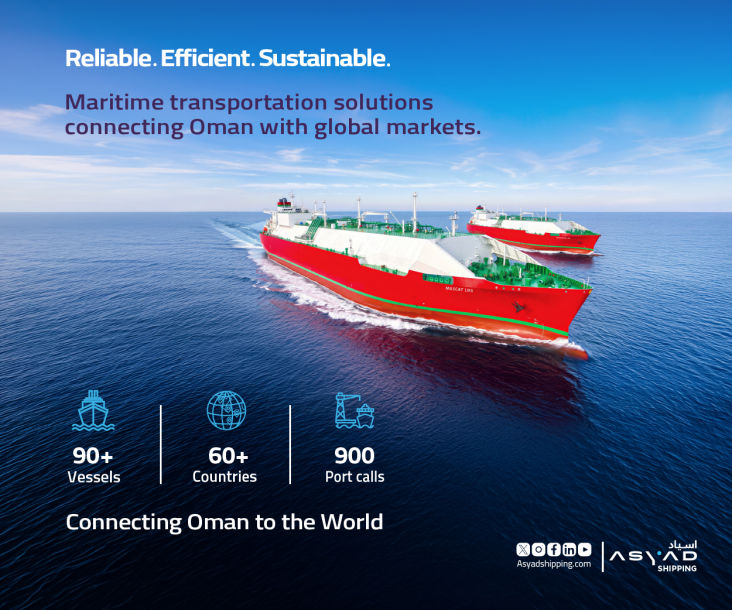
New vessels and higher freight rates mean Asyad Shipping results continue to impress