Print
Print
 PDF
PDF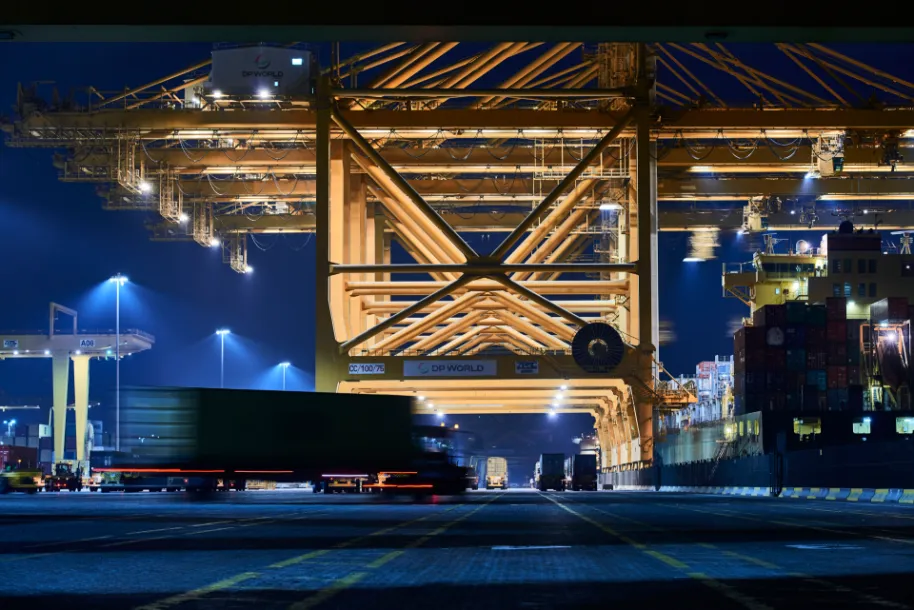
DP World moves 500,000 TEU across GCC inland network
DP World has announced that it has moved 500,000 TEU of container traffic across the GCC region through its road and rail network since March this year, giving customers more routing options amid disruption to regional shipping routes.
The milestone reflects the growing use of DP World’s inland logistics network as cargo owners and shipping lines seek alternative ways to move goods across the region. The network now supports around 3000 truck movements a day, with DP World recently adding 700 trucks to expand cross-border and domestic freight capacity.
According to Ahmad Yousef Al-Hassan, CEO and Managing Director, DP World GCC, “Moving half a million TEU overland shows the scale, resilience and flexibility of our network beyond the terminal gates. Our extensive inland logistics capabilities give shipping lines and cargo owners more routing options and more certainty in how they move goods through the region, helping them adapt quickly when conditions change.”
In recent months, the company has opened fast-track bonded corridors connecting east coast gateways directly into Jebel Ali, established a bonded corridor from Sohar in Oman and capitalised on Red Sea routing options through Jeddah Islamic Port’s South Container Terminal, which it operates.
To further expand its inland logistics capacity, DP World has also opened a new 100,000 m2 inland empty container depot in Al Awir, Dubai. This facility adds empty container storage and release capacity outside Jebel Ali port, giving shipping lines and logistics operators more flexibility when picking up, dropping off and repositioning empty containers across Dubai, Sharjah and the Northern Emirates. The new depot handles 20ft, 40ft and 45ft empty containers and provides a range of inspection, condition reporting and shipping line inventory management services.
Raveen Guliani, COO – Logistics, DP World GCC, adds, “By moving empty container storage and handling closer to customers, we can reduce unnecessary movements to the port and make it easier for shipping lines and logistics companies to access and reposition equipment. It is another way we are connecting our port services, logistics capability and inland infrastructure into one integrated solution to make cargo flows more efficient.”